If you have ever tried to launch a brand-new website on a fresh domain, you know exactly how frustrating the first six to twelve months can be. You spend weeks perfecting the design, months writing high-quality content, and hundreds of hours trying to earn your first few backlinks. Yet, despite your best efforts, your site sits in what many SEOs call the ‘sandbox’, barely cracking the top 100 for any meaningful keywords. It is a slow, arduous process that tests the patience of even the most seasoned digital marketers.
This is why more people are turning to an aged domains marketplace to skip the queue. Instead of starting with a blank slate, you are essentially buying a head start. You are acquiring a piece of digital real estate that already has a history, a reputation with search engines, and a pre-existing backlink profile. It is the difference between planting a seed in tired soil and transplanting a grown tree into a well-fertilised garden. The results often manifest much faster, allowing you to see a return on your investment in a fraction of the time it takes to nurture a fresh domain.
Why history matters more than you think
Search engines like Google rely heavily on trust. A domain that has been around for ten years, consistently hosting relevant content and earning links from authoritative sources, is viewed far more favourably than a domain registered yesterday. When you browse an aged domains marketplace, you are looking for that accumulated trust. This trust translates into ‘crawling priority’ and ‘ranking power’. When you publish a new article on an aged domain, search engine bots are likely to find it and index it much faster because they already have a reason to visit that domain regularly.

What to look for when browsing an aged domains marketplace
Not all aged domains are created equal. In fact, some can be more trouble than they are worth if they have been used for spam or have a history of manual penalties. When you are navigating an aged domains marketplace, you need to have a clear set of criteria to ensure you are making a wise investment. It is not just about the age of the domain; it is about the quality of its journey through the years.
Here are the primary factors you should consider before pulling the trigger on a purchase:
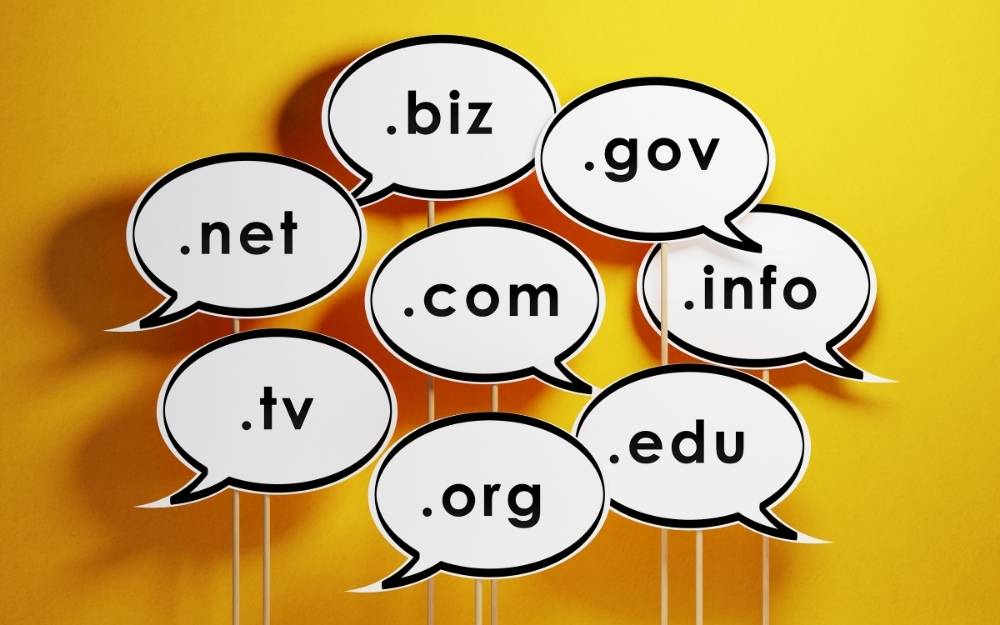
- Backlink Quality: Look for links from high-authority, reputable websites like major news outlets, educational institutions (.edu), or government sites (.gov). A few high-quality links are worth more than thousands of low-quality, automated comments or forum links.
- Niche Relevance: While a powerful domain can often be repurposed, it is much easier to maintain the existing SEO equity if the domain’s previous life is related to your new project. If you are building a site about organic gardening, a domain that used to be a local nursery’s website is a goldmine.
- Clean History: Use tools like the Wayback Machine to see what the site looked like in the past. If it was ever used as a link farm or featured content in a language that doesn’t match its target market, proceed with caution.
- Anchor Text Diversity: Check the anchor text of the incoming links. If it is heavily optimised for commercial keywords or looks like it was generated by a bot, the domain might be at risk of a future penalty.
Analysing the backlink profile with a critical eye
When you are deep in the listings of an aged domains marketplace, the metrics can sometimes be misleading. A high Domain Rating (DR) or Domain Authority (DA) doesn’t always tell the whole story. You need to dig into the ‘referring domains’ list. Are the links coming from real websites with actual traffic, or are they from ‘zombie’ sites that only exist to sell links? A healthy profile should look natural, with a mix of ‘dofollow’ and ‘nofollow’ links, and a variety of anchor texts including the brand name and naked URLs.
How to make the most of your new acquisition
Once you have successfully purchased a domain from an aged domains marketplace, the real work begins. You have two main routes you can take: you can either build a full website directly on that domain, or you can use it as a powerful 301 redirect to boost an existing project. Both strategies have their merits, but building a site directly on the aged domain is generally considered the most effective way to leverage its full power.
If you choose to build a new site, your first step should be to recreate the pages that had the most backlinks. By doing this, you ensure that the link juice flowing to those old URLs isn’t lost. You can then naturally transition the content to suit your new brand while keeping the underlying structure that search engines already recognise. This approach minimises the risk of losing the domain’s existing authority and helps you hit the ground running.
Building a brand vs using a 301 redirect
Using a 301 redirect is a quicker way to pass authority, but it requires a high degree of niche relevance. If you redirect a domain about vintage cars to a site selling kitchen appliances, Google might eventually realise the link is irrelevant and devalue the transfer of authority. However, if you are merging two sites in the same industry, a 301 redirect can provide a massive boost to your primary domain’s rankings almost overnight. It is a nuanced tactic that requires careful planning to ensure the ‘thematic relevance’ is maintained.
The risks you need to organise against
While the benefits of using an aged domains marketplace are clear, it is important to acknowledge the risks. The biggest danger is buying a domain that has been ‘burnt’ by previous owners. Sometimes, a domain might look great on paper but has a hidden history of being used for PBNs (Private Blog Networks) that search engines have already flagged. This is why due diligence is non-negotiable.
To protect your investment, you should always check for:
- Manual Actions: If possible, verify that the domain doesn’t have any active manual penalties in Google Search Console.
- Trademark Issues: Ensure the domain name doesn’t infringe on any existing trademarks, as this could lead to legal headaches and the loss of the domain later on.
- Indexed Pages: Check if the domain still has pages indexed in Google. If a domain has been expired for a long time and has zero indexed pages, it might take longer to ‘wake it up’.
- Spammy Redirects: Look at the history to see if the domain was ever redirected to questionable sites like gambling or adult content.
By taking the time to thoroughly vet every listing in an aged domains marketplace, you can significantly reduce these risks. Most successful SEO professionals don’t just buy the first domain with a high DR; they spend hours analysing the data to find the hidden gems that offer the best balance of authority, history, and safety. It is about working smarter, not just faster, to achieve your ranking goals in an increasingly competitive digital world.

A creative blogger passionate about personal growth, craftsmanship, and timeless style. Amelia writes thoughtful pieces that explore tradition, creativity, and the evolving art of self-expression.